
English| EUR
Suggested for you
More currencies
Choose a language
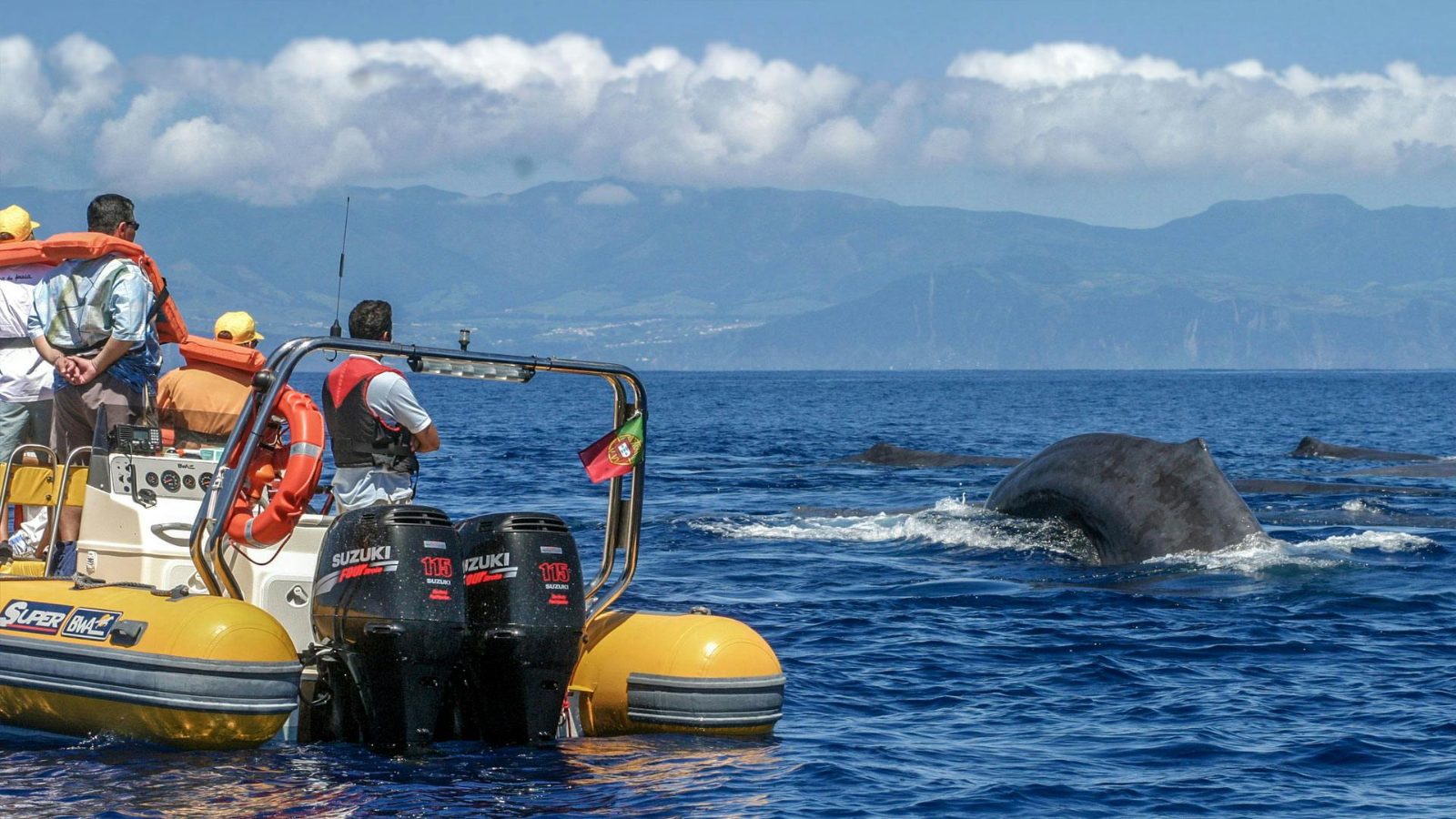
Terceira's whale-watching tours depart from Marina de Angra do Heroísmo into open Atlantic conditions where air temperature, wind chill, and sea spray shift within minutes. Dressing in adaptable layers and bringing waterproof protection determines whether you stay comfortable scanning the horizon or spend the trip shivering below deck.
Quick answer
Wear moisture-wicking base layers, an insulating fleece or merino mid-layer, and a windproof, waterproof outer shell when whale watching off Terceira Island. Even in summer, Atlantic winds and sea spray drop perceived temperatures by 10–15°C once the boat leaves the marina. Closed-toe shoes with non-slip soles, a brimmed hat secured with a chin strap, and polarized sunglasses are essential for safety and visibility on deck.
Atlantic whale-watching conditions off Terceira shift faster than most visitors anticipate—marina air temperatures above 20°C can feel closer to 10°C once the boat reaches open water, where wind speed doubles and salt spray coats exposed skin. Tour operators departing from Marina de Angra do Heroísmo between 09:00 and 18:00 navigate swells and microclimates that demand clothing flexibility rather than a single outfit choice. The three-layer system remains the most reliable approach for what to wear during whale watching in the Azores. A synthetic or merino wool base layer pulls moisture away from skin during exertion—climbing stairs to the upper deck or leaning over railings generates heat that cotton traps against the body. The insulating middle layer, typically a fleece or lightweight down jacket, preserves core warmth when the boat slows to observe pods. The outer shell blocks wind and repels water; tours routinely encounter spray from bow waves and occasional rain squalls that pass within minutes. Jackets without hoods leave necks exposed, and hoods without drawcords blow back in 25-knot winds. Footwear determines mobility and safety on wet fiberglass decks. Closed-toe shoes with deep tread—trail runners or deck shoes—grip better than fashion sneakers, and leather or canvas absorbs water where synthetic materials shed it. Sandals and flip-flops are prohibited on most vessels. Sun protection becomes critical even under cloud cover, as UV radiation reflects off water and penetrates marine haze; a brimmed hat with a securing strap prevents loss overboard, and polarized lenses reduce glare that obscures dorsal fins and breaching whales at distance. Accessories that seem minor onshore prove essential offshore. Gloves protect hands during early-morning departures when metal railings conduct cold, and a neck gaiter or buff shields against wind without the bulk of a scarf. Waterproof bags or dry pouches keep phones, cameras, and spare layers functional when waves crest the gunwale. Tour operators provide life jackets but rarely loan clothing, so self-sufficiency in layering separates prepared passengers from those who spend two hours in the cabin rather than watching sperm whales surface 30 meters from the hull.
“Atlantic conditions off Terceira can drop perceived temperature by 10–15°C within minutes of leaving the marina, turning a warm morning into a test of layering strategy.”
Prepare for Atlantic conditions with the right clothing and a few practical essentials.
The best arrival window is 09:00–17:00, with morning tours frequently providing calmer sea conditions and superior visibility for spotting marine life. Selecting your layers depends heavily on these daily shifts and the broader seasonal climate of Terceira Island.
14°C to 20°C; variable conditions.
Migratory whales are active; wear windproof layers for sea breezes.
19°C to 25°C; sunny with stable seas.
Warmest period for observation; light layers are generally sufficient.
16°C to 21°C; increasing moisture.
Cooler temperatures require insulated clothing and waterproof outer shells.
—
Calmer seas and better visibility support thinner, flexible clothing choices.
Verdict: The best time to visit is during the morning window from April to September for optimal sea conditions and marine life activity.
Marine safety regulations and vessel protocols require specific footwear and gear management to prevent accidents on deck. Following these conduct rules protects both passengers and the success of wildlife observation.
Whale watching departures are located at the Marina de Angra do Heroísmo on Terceira Island. The marina is centrally located within the city and is easily accessible by foot or vehicle.
Follow signs to Angra do Heroísmo center and park in the marina vicinity
Head toward the waterfront area of Angra do Heroísmo
Request drop-off at Marina de Angra do Heroísmo
Plan your arrival between 09:00 and 17:00, as morning tours often have calmer seas and better visibility for marine life spotting. Ensure you allow enough time to navigate to the marina before your scheduled tour.
The facility operates daily to assist with trip coordination and preparation. Please refer to the schedule below when planning your visit to the Marina de Angra do Heroísmo.
Everything you need to know about what to wear during whale watching
When considering what to wear during whale watching, prioritize layers to adjust to changing maritime weather. Lightweight, moisture-wicking fabrics are ideal to ensure comfort while out on the Atlantic Ocean.
Yes, bringing a waterproof jacket is highly recommended for any boat trip as sea spray is common. This layer helps protect against wind chill and sudden moisture during your marine wildlife tour.
Wear non-slip, rubber-soled shoes to maintain stability on the deck of the vessel. Footwear should be comfortable and secure to help you navigate the boat safely while observing local marine species.
For a comfortable experience, wear light clothing supplemented by a windproof outer layer. Even during the summer season, the temperature on the water can feel significantly cooler than on land in the Azores.
When planning what to wear during whale watching, remember that sun protection is essential due to the reflection off the water. Wear a hat, sunglasses, and high-SPF sunscreen to guard against exposure throughout your sighting expedition.
To successfully determine what to wear during whale watching, check the weather forecast before heading to the Marina de Angra do Heroísmo. Staying flexible with your outfit choices allows you to enjoy the observation of sperm whales and dolphins in their natural habitat.