3 hr
Reykjavík Marine Life & Whale Watching Cruise
Search for humpback and minke whales, dolphins, and porpoises along Iceland's dramatic coastline.
Reserve
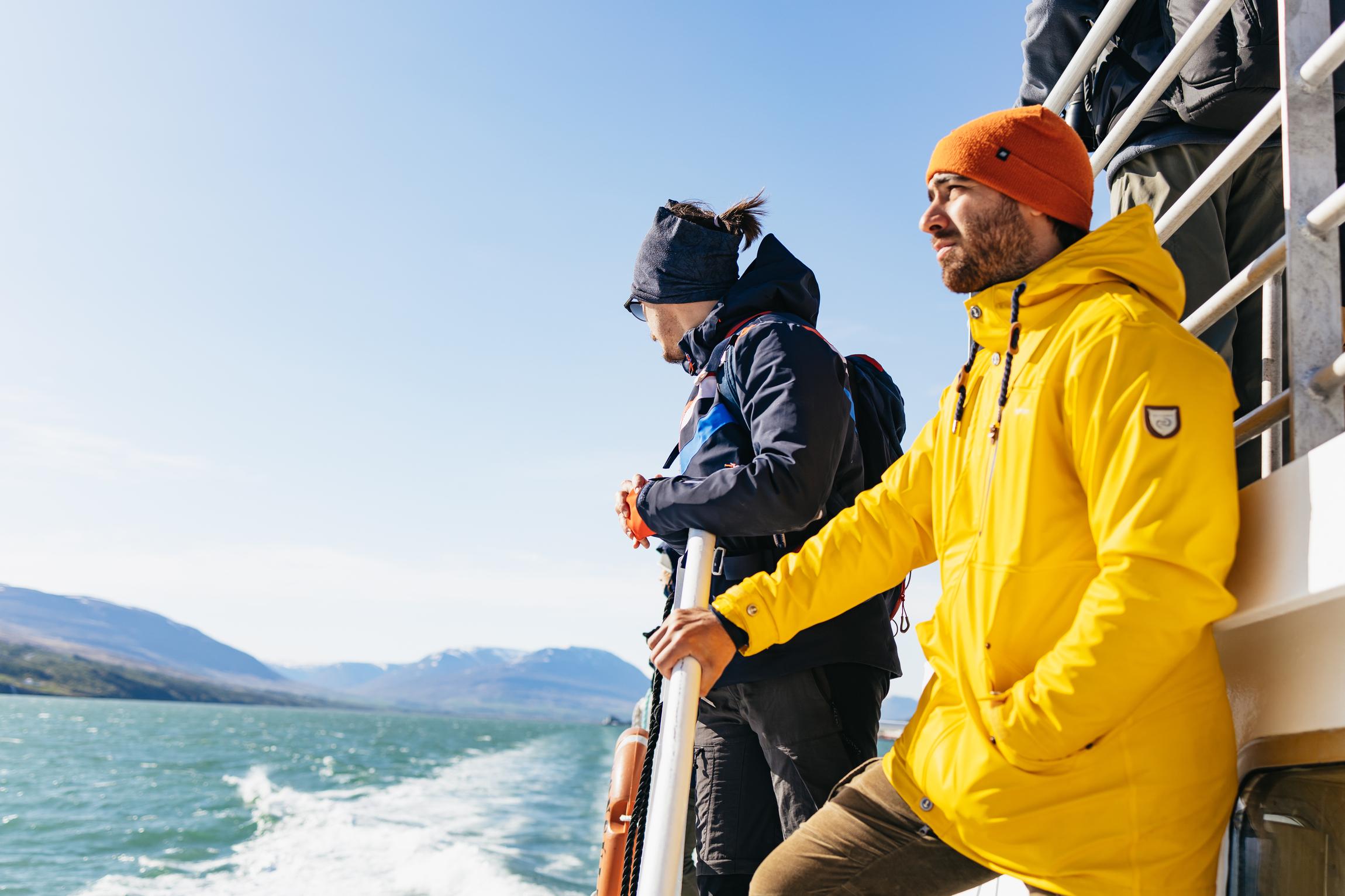
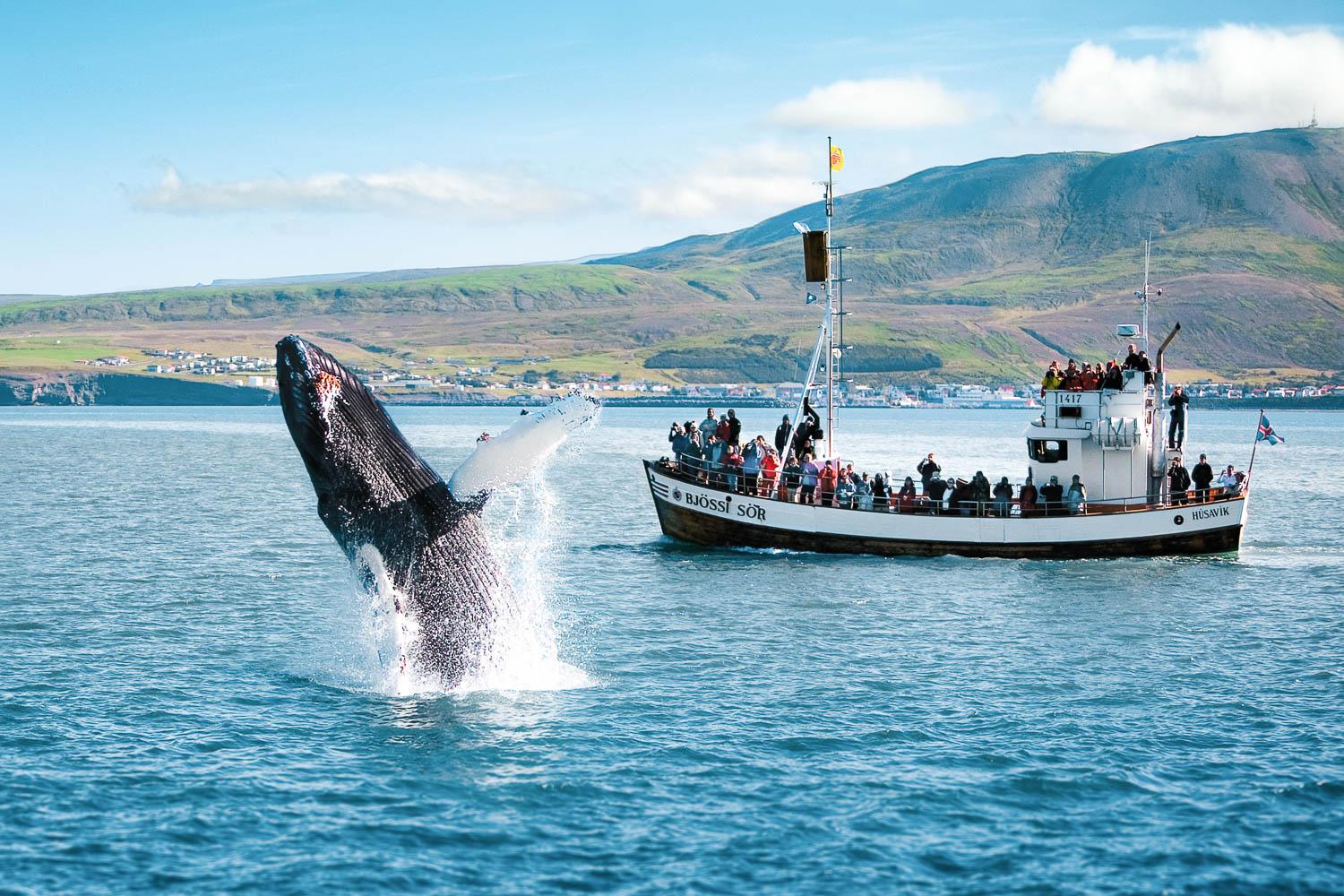
Chart the deep channels where sperm whales dive, and witness the Atlantic's cetacean migrations unfold in real time.
Hand-picked by our editors — only the best 5 marine expeditions from 28 reviewed.
Verified partners for every tour, free cancellation where available, and instant confirmation on every booking.
3 hr
Search for humpback and minke whales, dolphins, and porpoises along Iceland's dramatic coastline.
Reserve
3 hr
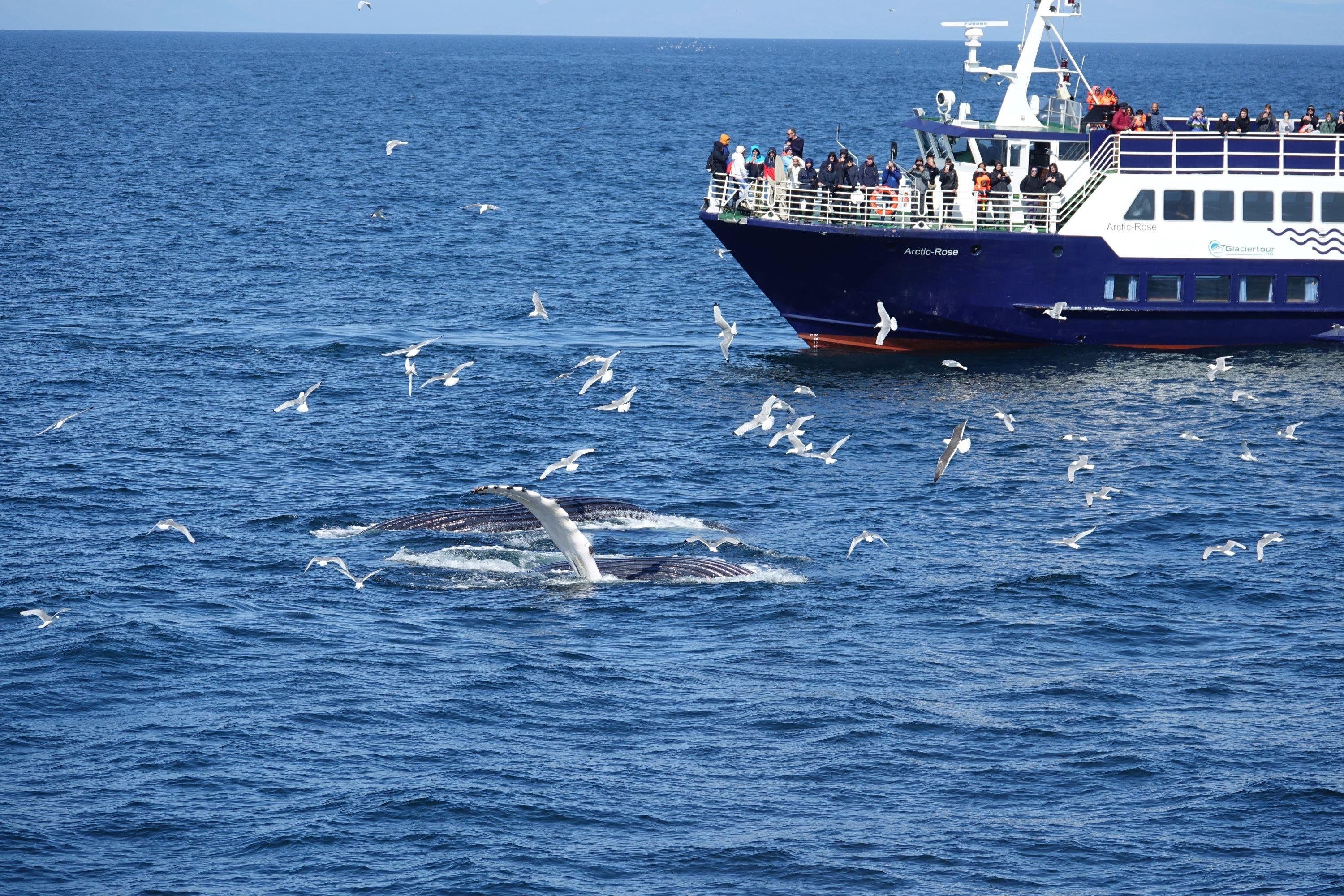
Set sail from Akureyri aboard Iceland's fastest whale-watching vessel to encounter humpbacks in their Arctic feeding grounds.
Reserve
3 hr
Sail Skjálfandi Bay aboard an authentic Icelandic oak boat in search of whales, dolphins, and seabirds
ReservePrices from verified partners. Availability updates in real time at checkout. Free cancellation policies apply where shown.
The landmarks, rooms, and views travelers on this tour remember — all visible on a single visit.
The land-based 'Vigia' observers at Monte Brasil provide essential radio guidance to ensure high sighting success rates during the 3-hour tour. This strategic viewpoint is central to spotting cetaceans in the Atlantic waters.
These activities complement each other; most visitors who prioritize marine biodiversity choose the whale watching 3 hours tour, while those preferring terrestrial volcanic landscapes select the land-based sightseeing excursion.
| Feature | Top pick Whale Watching 3 Hours | Terceira Island Land Tour |
|---|---|---|
Primary Focus |
Marine life observation | Geological and cultural heritage |
Wildlife Probability |
High frequency encounters | None |
Motion Sickness Risk |
Possible in open ocean | None |
Physical Exertion |
Low to moderate | Low |
Tour Duration |
3 hours | 4–8 hours |
Activity Flexibility |
Fixed departure schedule | Customizable routes |
| See tickets → |
Verdict: Securing whale watching 3 hours tickets is ideal for observing cetaceans, whereas booking a land tour offers a more comprehensive overview of local terrain for those seeking to purchase whale watching 3 hours tours later.
Choose your ticket, select your date, and reserve in under two minutes. Secure checkout handled by our verified partner.
Instant confirmation by email, with a mobile voucher you can save offline. No printing, no queuing at a collection desk.
Arrive at the entrance, show your voucher on your phone, and walk in. Most tickets include priority or skip-the-line access.
Best time to go, insider tips, nearby landmarks, and the cancellation fine print — flip through to skim what matters to you.
Flexible, no hidden fees.
Receive a full refund if you cancel at least 24 hours before the experience begins. Cancellations made within the 24-hour window are non-refundable for the 67 EUR whale watching 3 hours tour.
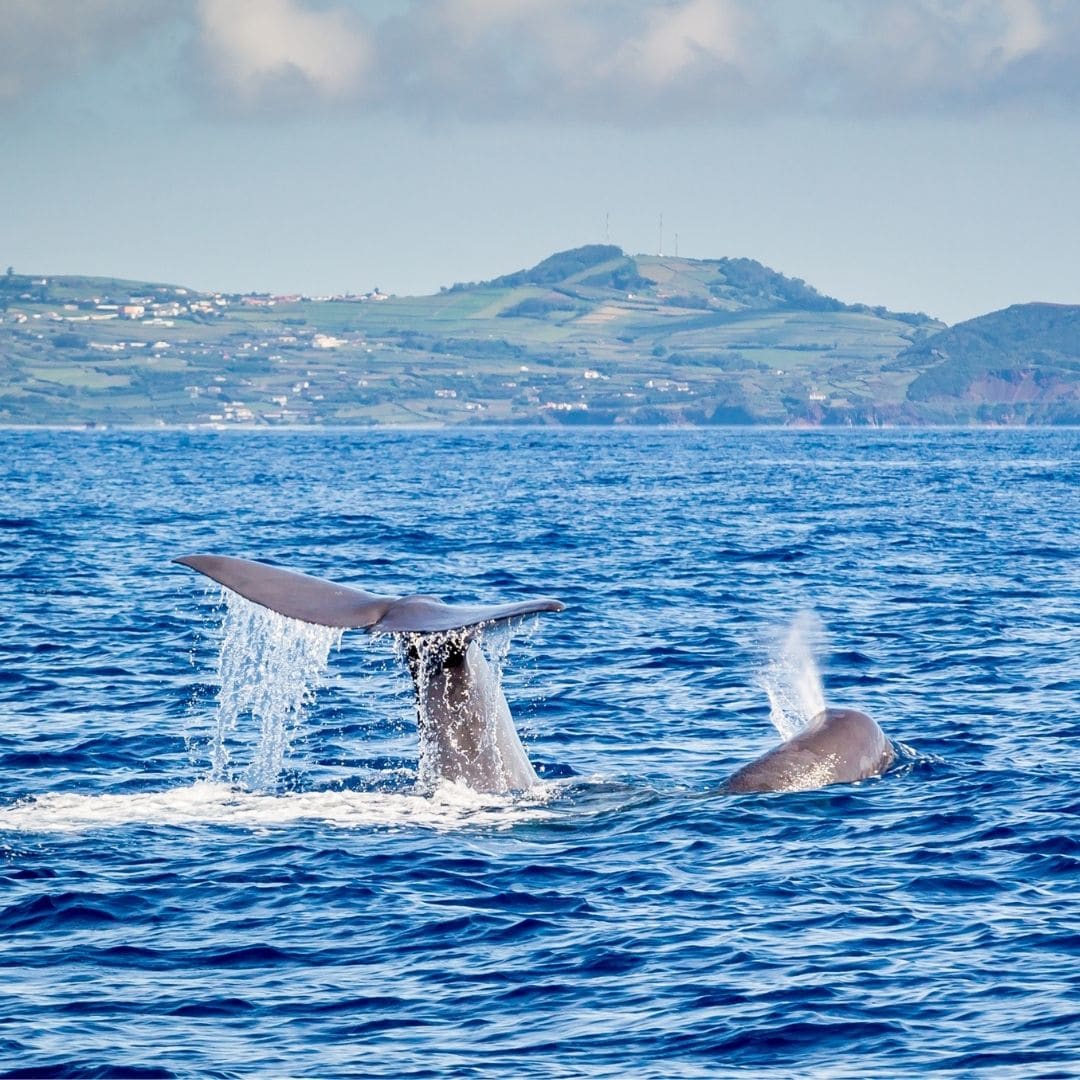
The Azores archipelago sits atop the Mid-Atlantic Ridge, where tectonic forces have sculpted submarine canyons that plunge to 3,000 metres within sight of Terceira's volcanic coast. These abyssal trenches form a highway for sperm whales, which navigate the waters between April and October in search of giant squid. The island's position at 38°N places it along migratory corridors used by blue whales, fin whales, and sei whales as they transit between polar feeding grounds and equatorial breeding zones. Marine biologists estimate that more than twenty cetacean species pass through Azorean waters annually, making the region one of the Atlantic's most biodiverse whale-watching zones. Terceira's whale-watching industry emerged from the island's former role as a whaling stronghold. Until 1987, tower lookouts—known as vigias—guided harpoon boats from clifftop stations. When commercial whaling ceased, those same lookouts transitioned to conservation work, using radio contact to relay sightings to tour operators. The lookout network remains active today, coordinating expeditions from Marina de Angra do Heroísmo and ensuring high encounter rates. Sperm whales, the Azores' resident species, can be observed year-round; males patrol the archipelago's deep channels while females and calves remain in warmer latitudes. During summer months, the waters off Terceira host pods of bottlenose dolphins, common dolphins, and Risso's dolphins, often travelling in superpods that number in the hundreds. The three-hour whale watching tour format reflects the balance between offshore search time and coastal return logistics. Departures occur between 09:00 and 15:00, when wind conditions are calmest and visibility extends beyond ten nautical miles. Zodiac-style rigid inflatables allow close approaches—within the 50-metre legal limit—and rapid repositioning when pods change course. Hydrophones deployed from the bow detect sperm whale clicks at depths below 500 metres, signalling a whale's imminent surfacing. Marine biologists accompany each departure, identifying individuals by fluke patterns and dorsal scarring. Data collected during commercial tours feeds into the Azores Cetacean Photo-ID Catalogue, a research database maintained by the University of the Azores since 1999. The departure point, Marina de Angra do Heroísmo, lies within walking distance of Terceira's UNESCO-listed historic centre, allowing visitors to combine marine expeditions with exploration of the island's 16th-century fortifications and Manueline architecture.
"The lookout network remains active today, coordinating expeditions from Marina de Angra do Heroísmo and ensuring high encounter rates."
You receive a full refund if you cancel at least 24 hours before the start of the tour.
Food and drinks are not provided, so guests are encouraged to bring their own supplies.
Companies typically offer a rebooking opportunity or refund policy if no sightings occur.
Bring a waterproof jacket, sunscreen, comfortable shoes, and your camera.
Group bookings can be made directly through the official site, subject to boat capacity constraints.