3 hr
Reykjavík Marine Life & Whale Watching Cruise
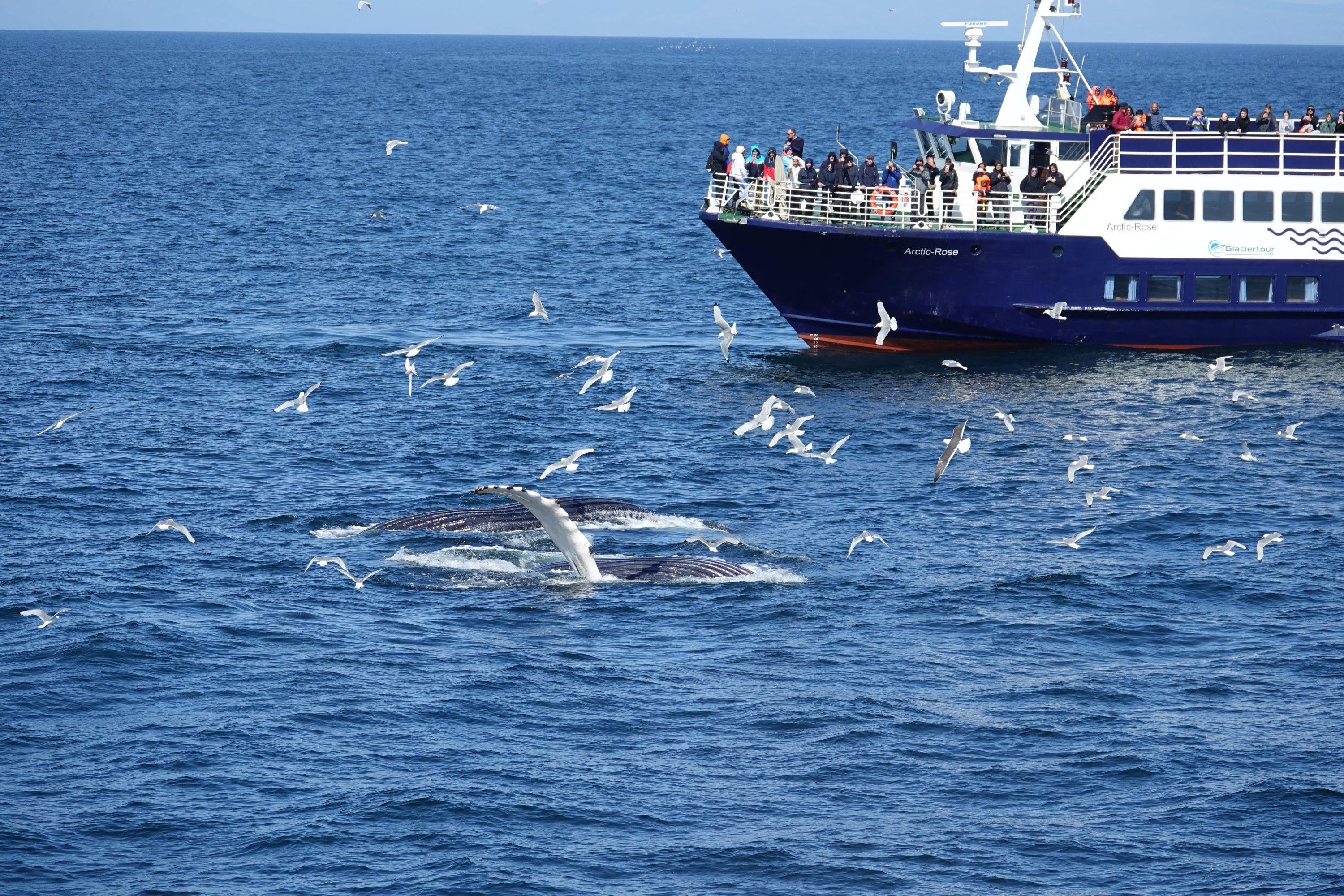
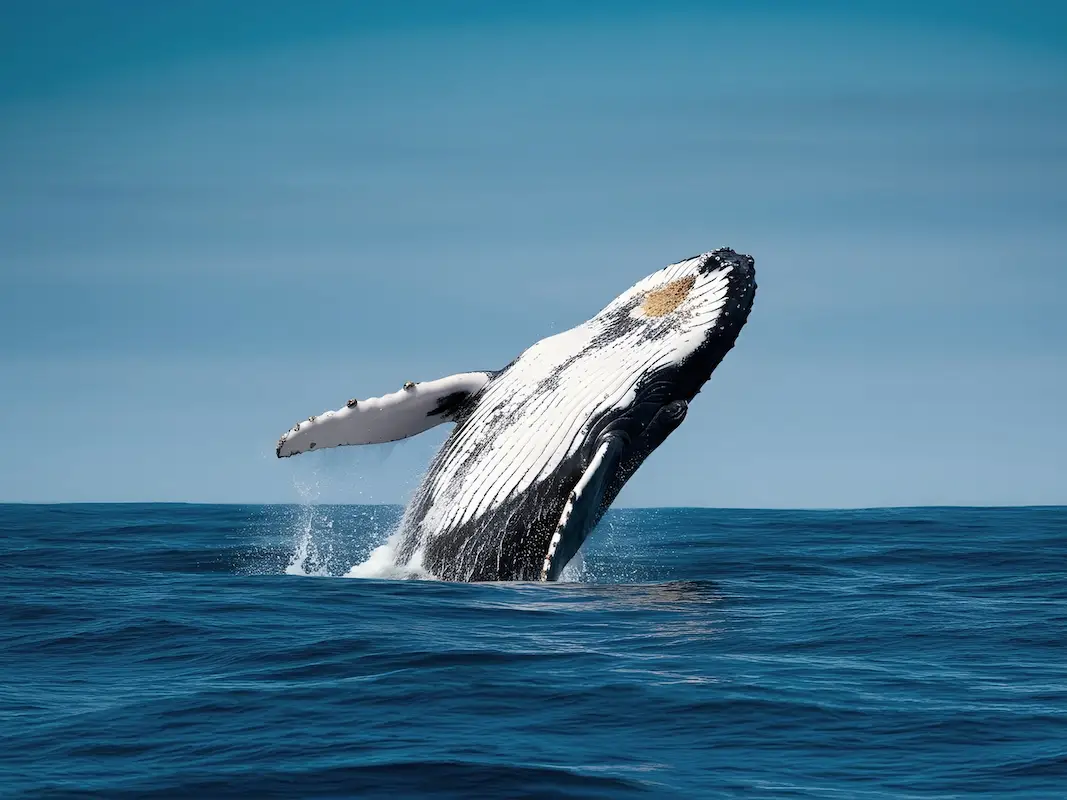
Search for humpback and minke whales along Iceland's dramatic coastline on a guided ocean expedition
Reserve
Deep channels off Angra harbor, year-round resident pods.
Hand-picked by our editors — only the best 4 operators from 11 reviewed.
Verified partners for Terceira Whale Watching tours, free cancellation where available, and instant confirmation on every booking.
3 hr
Search for humpback and minke whales along Iceland's dramatic coastline on a guided ocean expedition
Reserve
2 hr 30 min
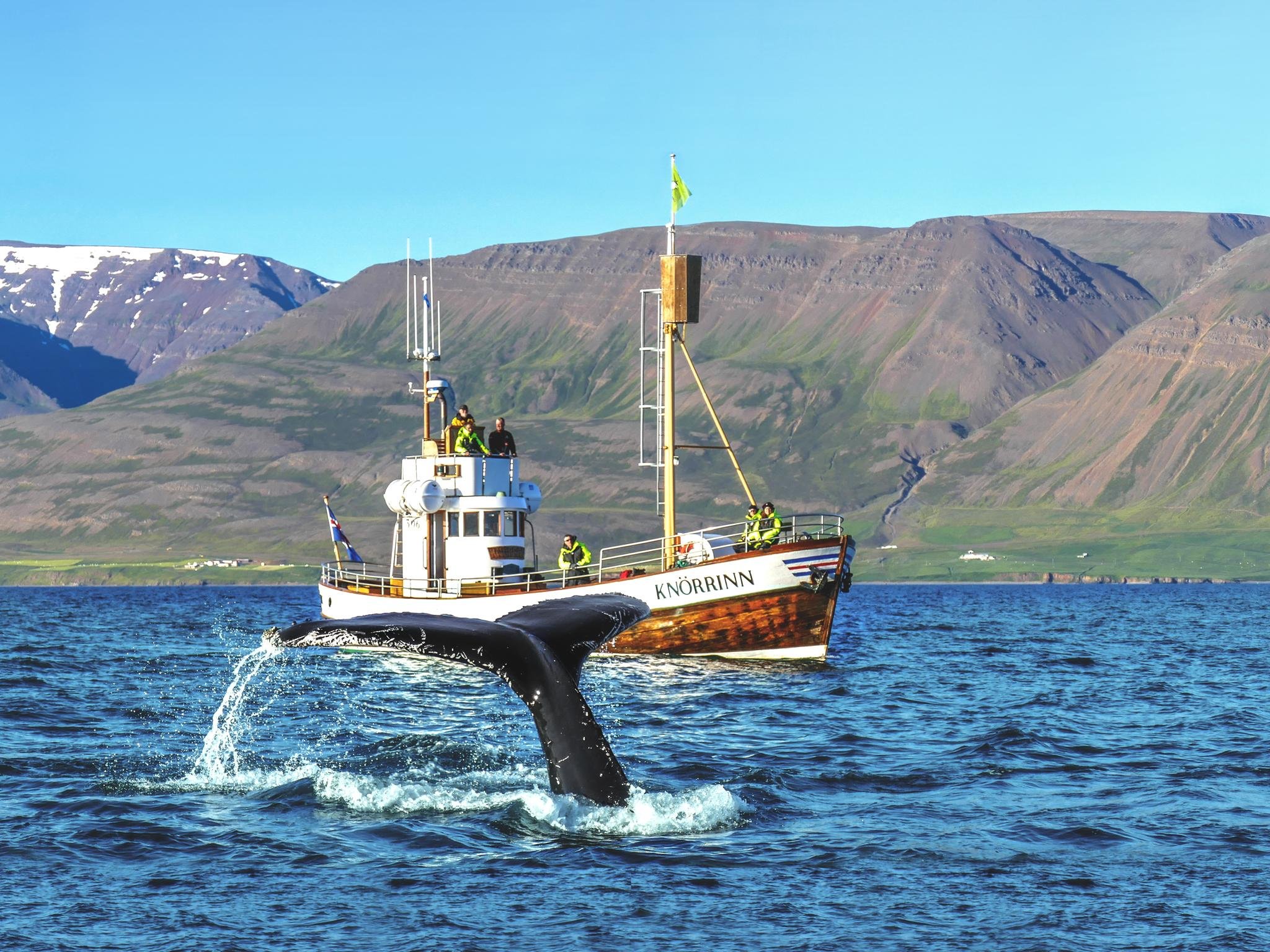
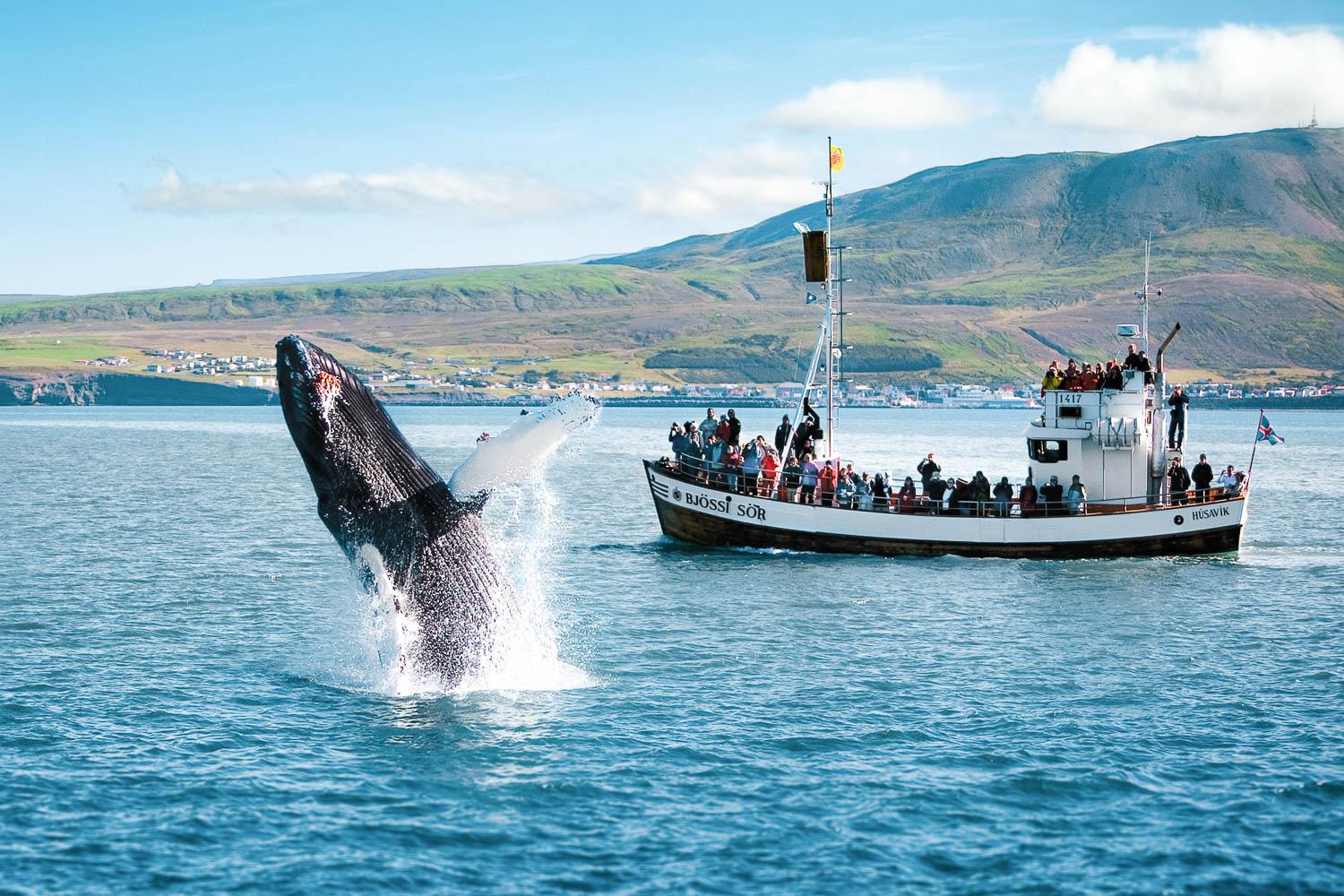
Sail the tranquil waters of North Iceland's longest fjord in search of whales, dolphins, and seabirds
Reserve
3 hr
Sail into Iceland's northern fjord aboard a high-speed vessel to witness humpback whales in summer feeding grounds
ReservePrices from verified partners. Availability updates in real time at checkout. Free cancellation policies apply where shown.
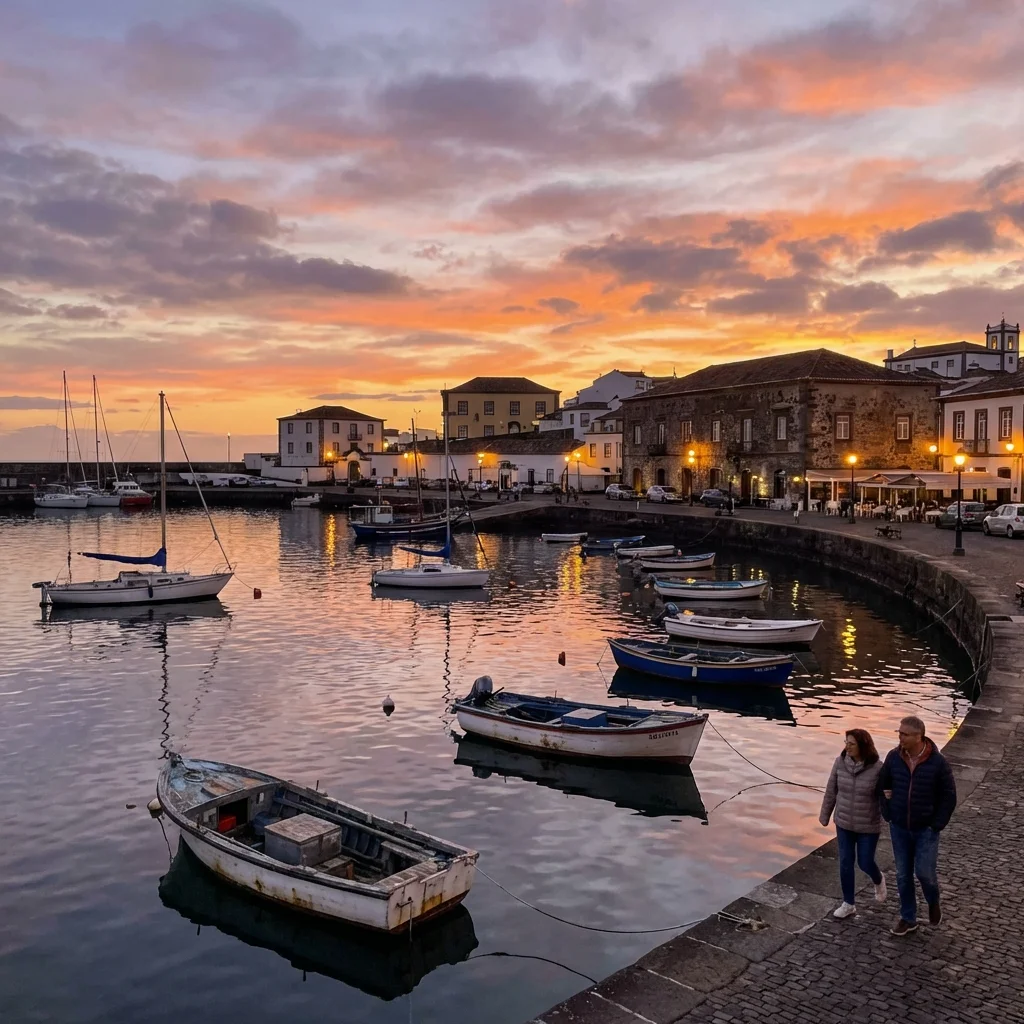
The landmarks, rooms, and views travelers on Terceira Whale Watching tours remember — all visible on a single visit.
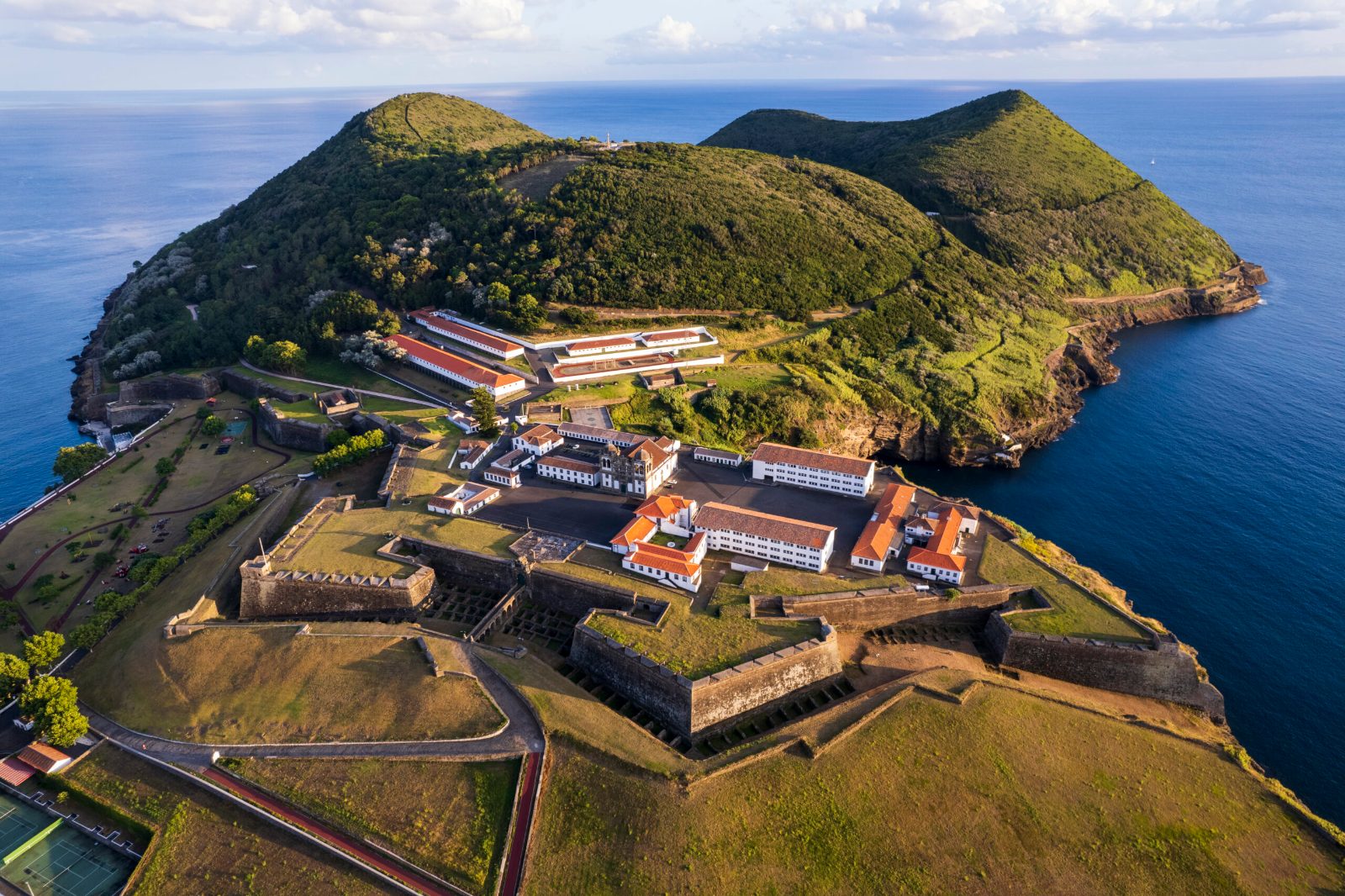
A land-based spotter uses long-range binoculars here to help guide the boat towards cetaceans.
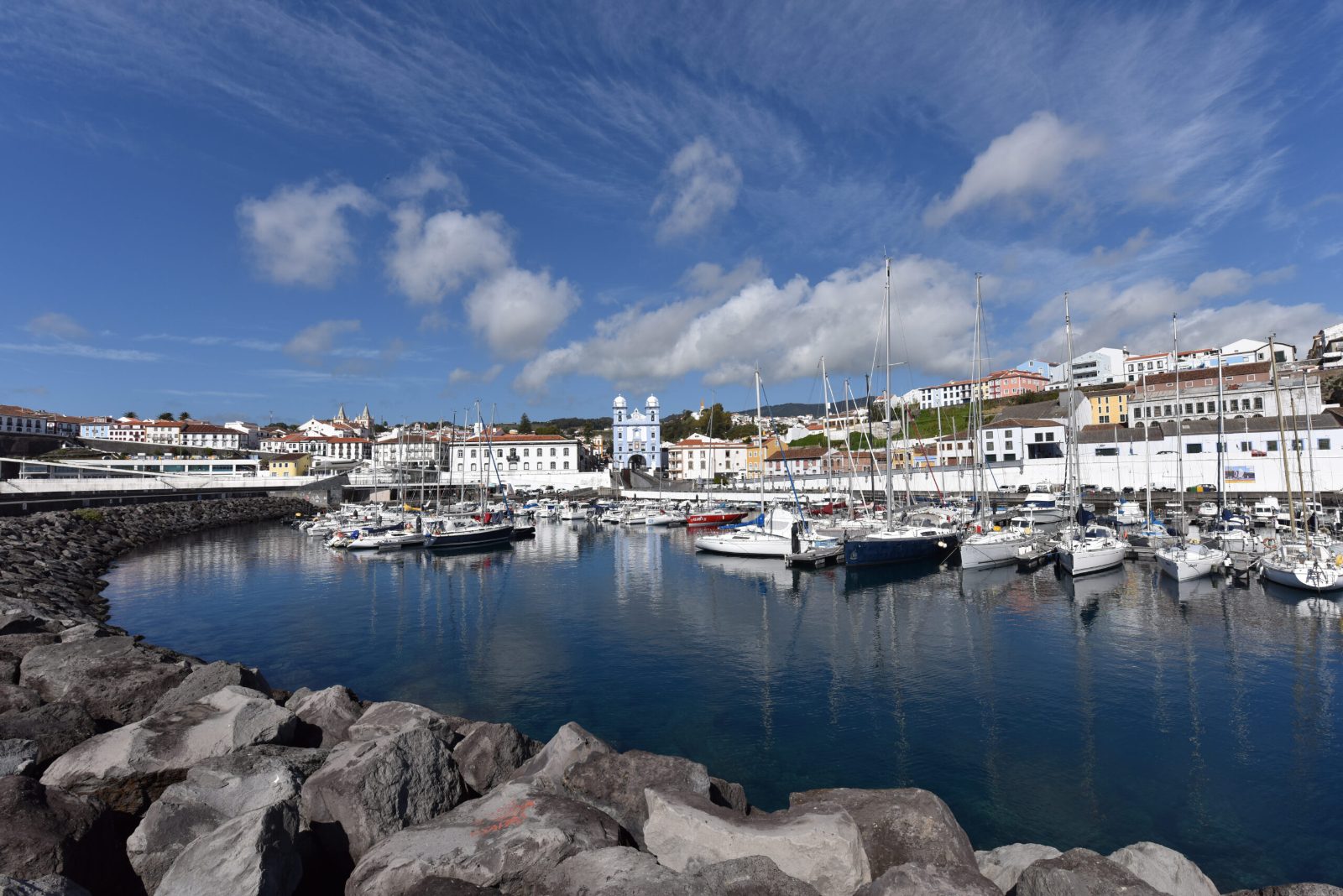
The starting point for your voyage, located in the historic center of Angra do Heroísmo.
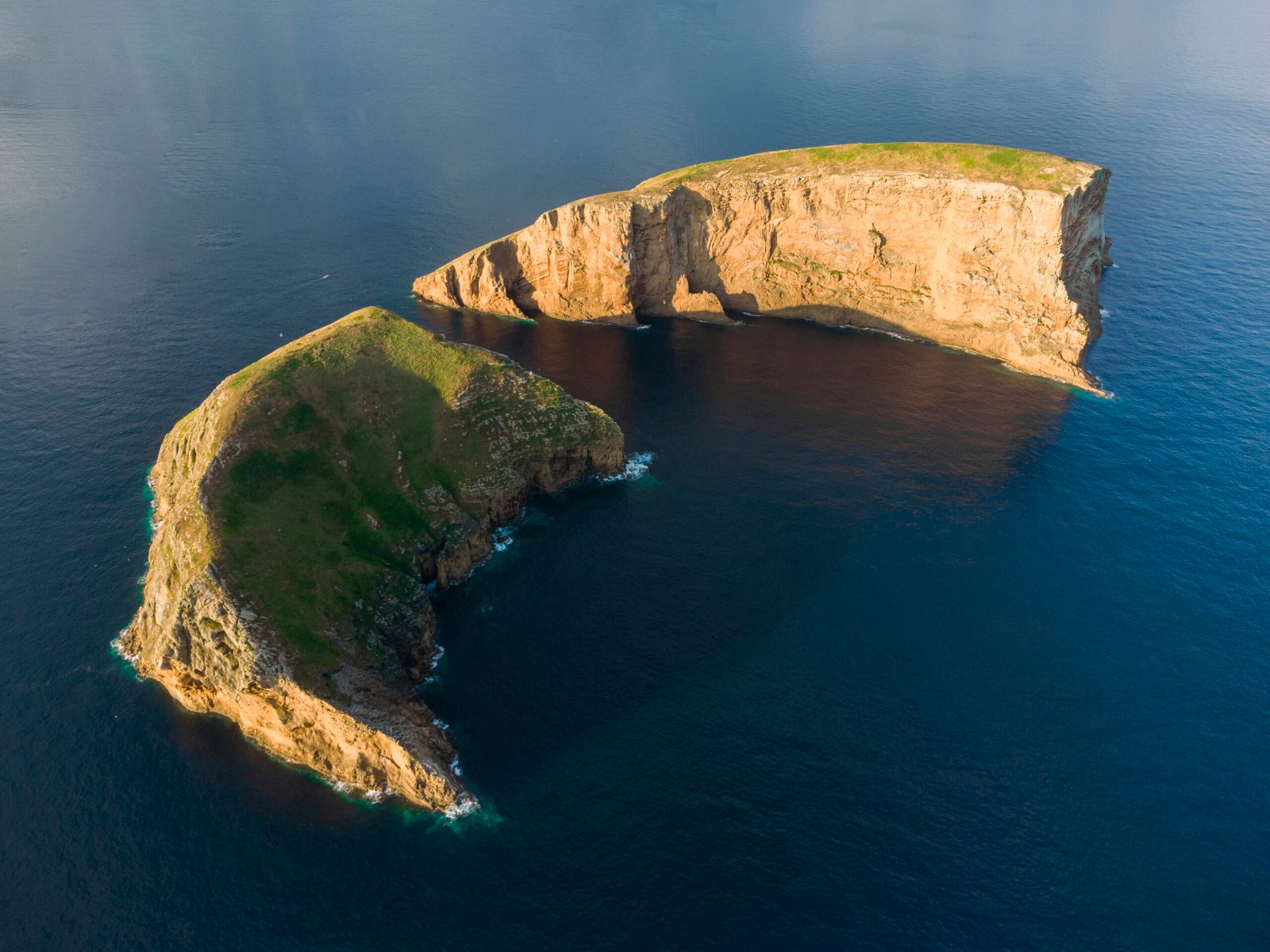
These striking volcanic islets are a protected natural reserve home to abundant birdlife.
This area is known for deep ocean waters that attract a high density of cetaceans.
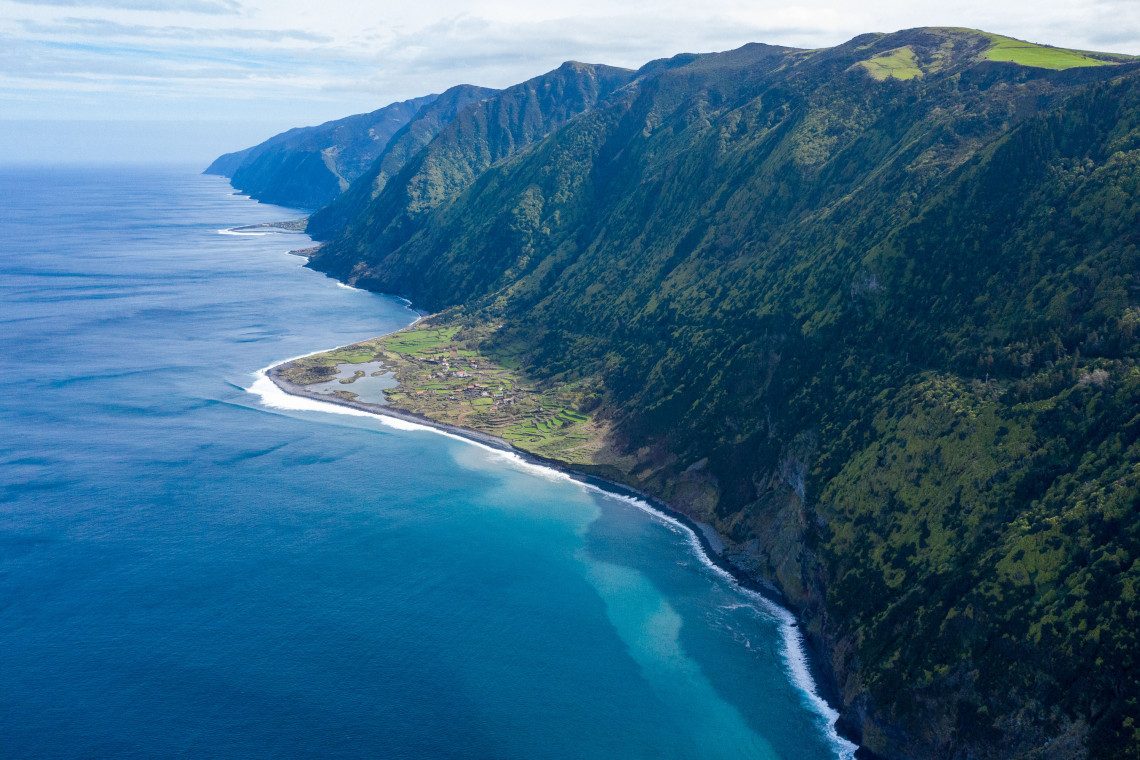
The region hosts up to 28 species of whales and dolphins throughout the year.
Every Terceira Whale Watching tour side-by-side — duration, what's included, how you redeem.
| Experience | Duration | Rating | Guide | Free cancel. | Price | |
|---|---|---|---|---|---|---|
|
Standard Entry Most popular
Reykjavík Marine Life & Whale Watching Cruise
|
3 hr | ★ 4.5 | ✓ | ✓ | €85 | Book → |
|
Standard Entry
Eyjafjörður Whale Watching from Árskógssandur
|
2 hr 30 min | ★ 4.8 | — | ✓ | €76 | Book → |
|
Standard Entry
Eyjafjord Whale Watching Expedition
|
3 hr | ★ 4.5 | ✓ | ✓ | €92 | Book → |
All prices from verified partners. Availability and exact terms confirmed at checkout.
Terceira provides a more intimate marine wildlife encounter, while São Miguel whale watching tours cater to larger volumes with broader excursion selections.
| Feature | Top pick Terceira Island | São Miguel Island |
|---|---|---|
Island Accessibility |
Direct international flights available | Primary hub with frequent connections |
Fleet Size |
Small specialized zodiacs and boats | Large fleet including catamarans |
Species Variety |
Common dolphins and sperm whales | High diversity including migratory baleen whales |
Crowd Levels |
Low passenger density per vessel | High traffic during summer peaks |
Tour Variety |
Focused marine biology trips | Varied packages including swim-with-dolphins |
Launch Port |
Marina de Angra do Heroísmo | Ponta Delgada and Vila Franca |
| See tickets → |
Verdict: Choose terza whale watching for a quiet, nature-focused marine excursion, or opt for São Miguel whale watching tickets if you prefer high-frequency departures and a wider range of sea-based activities.
Choose your ticket, select your date, and reserve in under two minutes. Secure checkout handled by our verified partner.
Instant confirmation by email, with a mobile voucher you can save offline. No printing, no queuing at a collection desk.
Arrive at the entrance, show your voucher on your phone, and walk in. Most tickets include priority or skip-the-line access.
Practical details for Terceira Whale Watching tickets straight from our verified partners — hours, access, rules, and how to get there.
Marina de Angra do Heroísmo, 9700-154
Located next to the Marina Grill.
Open in Google MapsFollow signs for Angra do Heroísmo Marina; parking is available near the harbor.
Request a drop-off at the Marina entrance in Angra do Heroísmo.
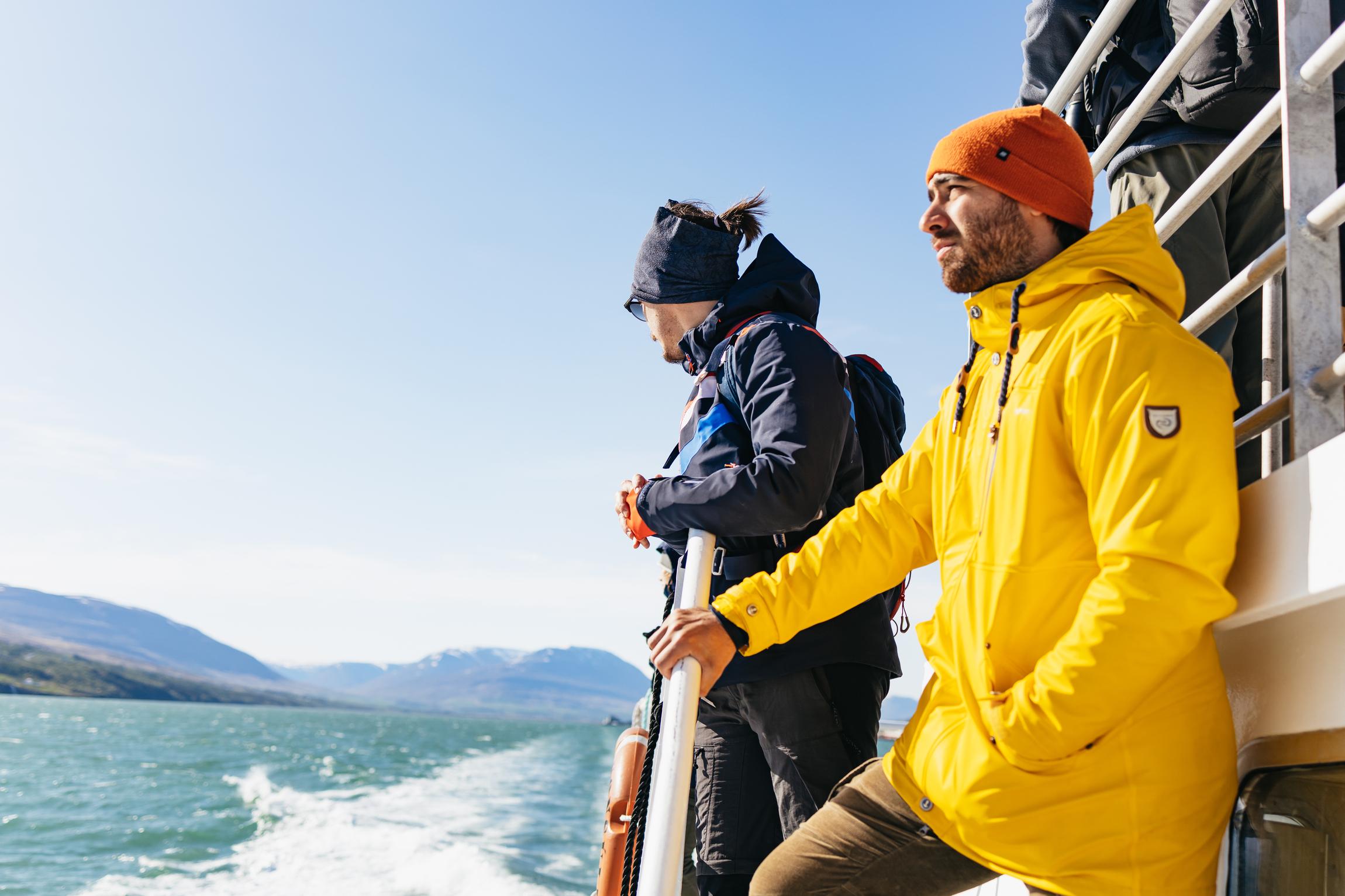
Wear comfortable, layered clothing suitable for sea travel and unpredictable weather. A windbreaker or waterproof jacket is recommended even during summer months.
Keep belongings minimal. Dry bags are recommended to protect electronics from salt spray and potential water splash during your terceira whale watching tour.
Photography is encouraged, but ensure your gear is secure and protected from sea spray. Use straps for cameras and binoculars to prevent loss overboard.
Tours typically involve boarding speedboats or rigid inflatable boats, which may require mobility to step over gunwales. Inform the operator of physical limitations prior to terceira whale watching tickets purchase.
Mobile phones are permitted for photos but should be kept in a waterproof case. Use caution when holding devices near the water during sightings.
Children are welcome on terceira whale watching tours, but should be accompanied by an adult. Age-appropriate life jackets are provided for all young participants.
Food and drinks are generally not included in the tour price. Bring water and light snacks to stay hydrated during your three-hour expedition.
Pets are strictly prohibited on board to ensure the safety of the animals and all passengers. Service animals may be allowed with prior approval.
All passengers receive a safety briefing from a marine biologist before departure. Please follow the instructions of your skipper and guide regarding cetacean observation ethics.
Marina de Angra do Heroísmo, 9700-154
Located next to the Marina Grill.
Get directionsBest time to go, insider tips, nearby landmarks, and the cancellation fine print — flip through to skim what matters to you.
How crowds, weather, and events shift across the year.
March to May is peak migration for blue whales and other baleen species.
June to September offers the most consistent sea conditions and frequent dolphin sightings.
Conditions remain favorable for whale watching as migratory patterns continue.
Boat activity is reduced due to sea conditions and lower sighting predictability.
Small details that turn a good visit into a great one.
Take medication 30 minutes before departure if prone to sea sickness.
Follow the Azores whale watching code of conduct to minimize stress on marine life.
Ask about the rebooking policy for your terceira whale watching tour if no animals are spotted.
Temperatures at sea are significantly lower than on land even on sunny days.
Secure your terceira whale watching tickets in advance during peak summer months.
Non-bookable sights within a short walk — free to visit, easy to pair.
A dormant volcanic crater offering panoramic views of the city and coastline.
A significant historic landmark in the center of the UNESCO-protected town.
A lush, historical garden showcasing diverse exotic flora and local plant species.
An elegant 17th-century building showcasing the island's colonial history.
Flexible, no hidden fees.
Cancellations must be made at least 24 hours in advance to receive a full refund. Whale watching is a commercial tour activity with 0 EUR entrance fee.
Hand-picked options within walking distance — pick a district for vibe, or a specific hotel for convenience.
High-end hotel overlooking the marina and Atlantic Ocean.
Coastal hotel with views of the bay and nearby islets.
Various local accommodations situated within the historic district.
The Mid-Atlantic Ridge carves a submarine canyon less than six nautical miles from Terceira's southern coast, dropping the seabed to depths exceeding 1,800 meters within sight of Angra do Heroísmo's harbor walls.
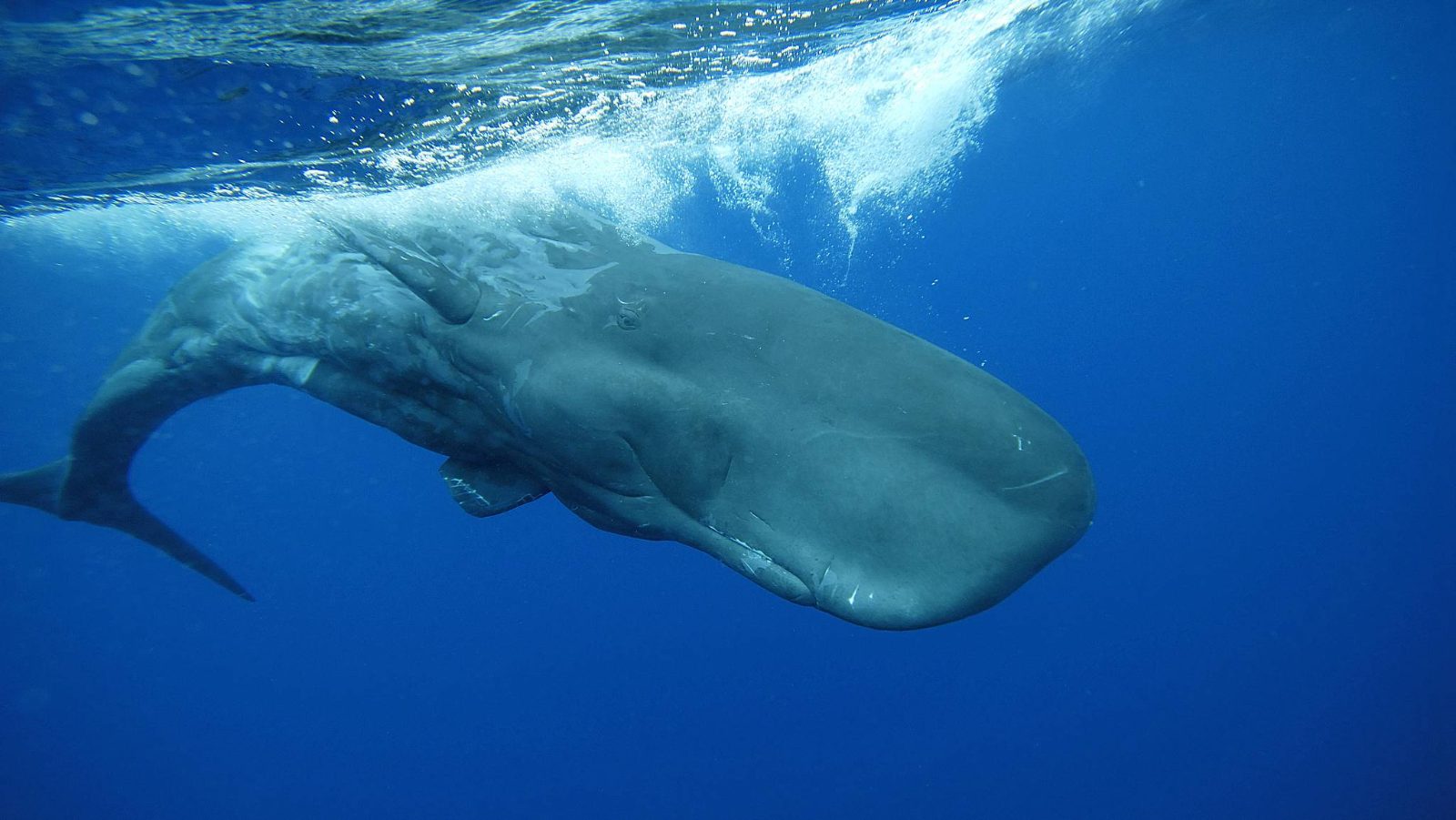
That abyssal trench sustains a year-round population of sperm whales, the largest toothed predators on Earth, which hunt giant squid in near-total darkness before surfacing to breathe in the same turquoise channels where Portuguese caravels once anchored. Commercial whale watching terceira azores operations began in the mid-1990s, repurposing the lookout vigias that once guided harpoon boats during the island's whaling era, which ended definitionally in 1987 when the Azores regional government prohibited all cetacean hunting within its exclusive economic zone.
Terceira's position at the confluence of the Gulf Stream and the Azores Current creates nutrient upwellings that attract over twenty cetacean species, from resident bottlenose dolphins and common dolphins to seasonal visitors including blue whales, fin whales, and sei whales during spring and autumn migration windows. Sperm whales, however, remain the statistical anchor of terceira whale watching tour itineraries: sighting probability exceeds eighty-five percent across all calendar months, a consistency unmatched by any other large whale species in temperate Atlantic waters. The animals observed here belong to matriarchal pods, typically comprising adult females, juveniles, and calves; mature males migrate to polar feeding grounds and return only during brief breeding windows in late summer.
Marine biologists aboard certified vessels provide real-time species identification and behavioral interpretation, translating the animals' surface intervals, blow patterns, and fluke displays into legible signs of feeding dives, social interactions, or rest periods. The brevity of sperm whale surface time, rarely exceeding eight to twelve minutes between hour-long dives, demands both patience and precision. Operators maintain a mandatory hundred-meter exclusion radius, as codified in regional marine wildlife regulations, yet the whales' sheer scale renders that distance immaterial: an adult female measuring fourteen meters still dominates the visual field, her corrugated skin and offset blowhole unmistakable even through binoculars.
Best whale watching terceira departures concentrate in morning and early afternoon slots, when sea conditions in the exposed southern channels favor optical clarity and when the whales' circadian dive cycles align with predictable surfacing windows. The vigias system, a network of coastal spotters using high-powered optics and VHF radio, persists as the most reliable cetacean detection method, dramatically reducing fuel expenditure and search time compared to blind transect surveys. That operational heritage, born from industrial whaling's spatial economics, now underwrites the efficiency of conservation-oriented tourism, closing a historical loop within a single human generation.

"The submarine canyon drops to 1,800 meters within sight of Angra's harbor, sustaining year-round sperm whale populations."
A step-by-step walkthrough of Terceira Whale Watching tickets — what you'll see, how long each stage takes, and the details that matter.
You board at Marina de Angra do Heroísmo shortly after nine, stepping from stone quay to inflatable gunwale as the marine biologist counts heads and distributes waterproof jackets.
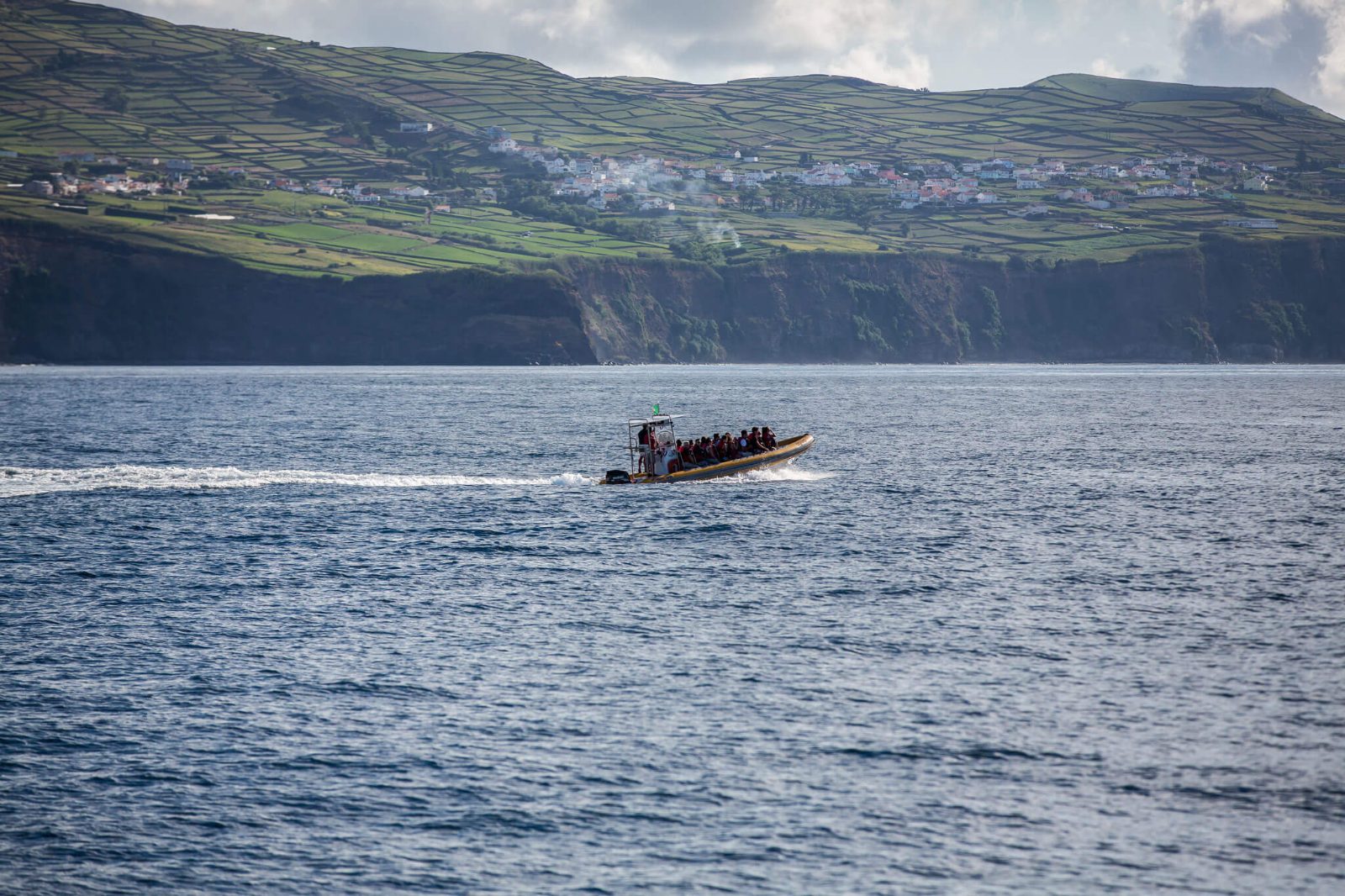
The rigid-hulled boat clears the harbor mouth within minutes, passing Monte Brasil's volcanic cliffs before turning southwest toward open water. Radio chatter crackles from the vigia post above São Mateus: coordinates, bearing, estimated pod size. The skipper throttles up, and the hull rises onto plane.
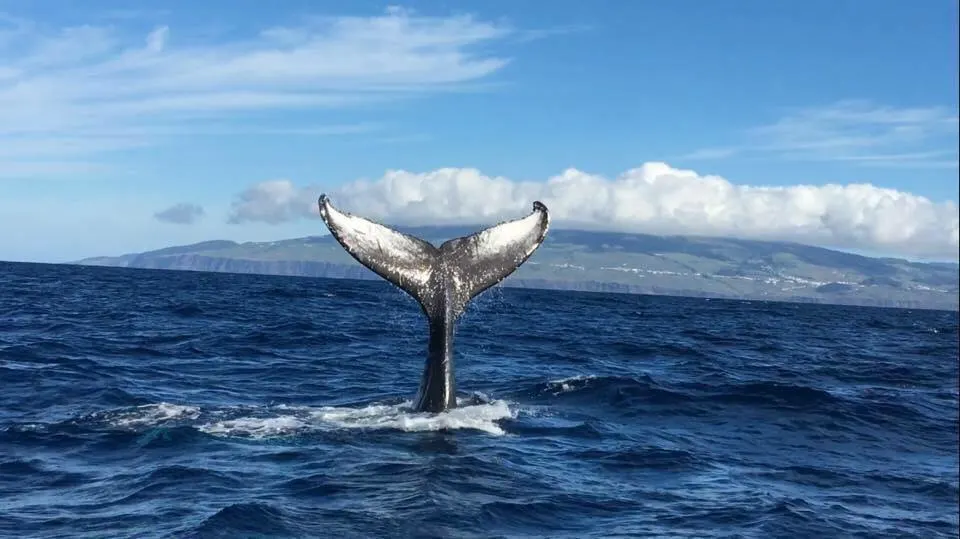
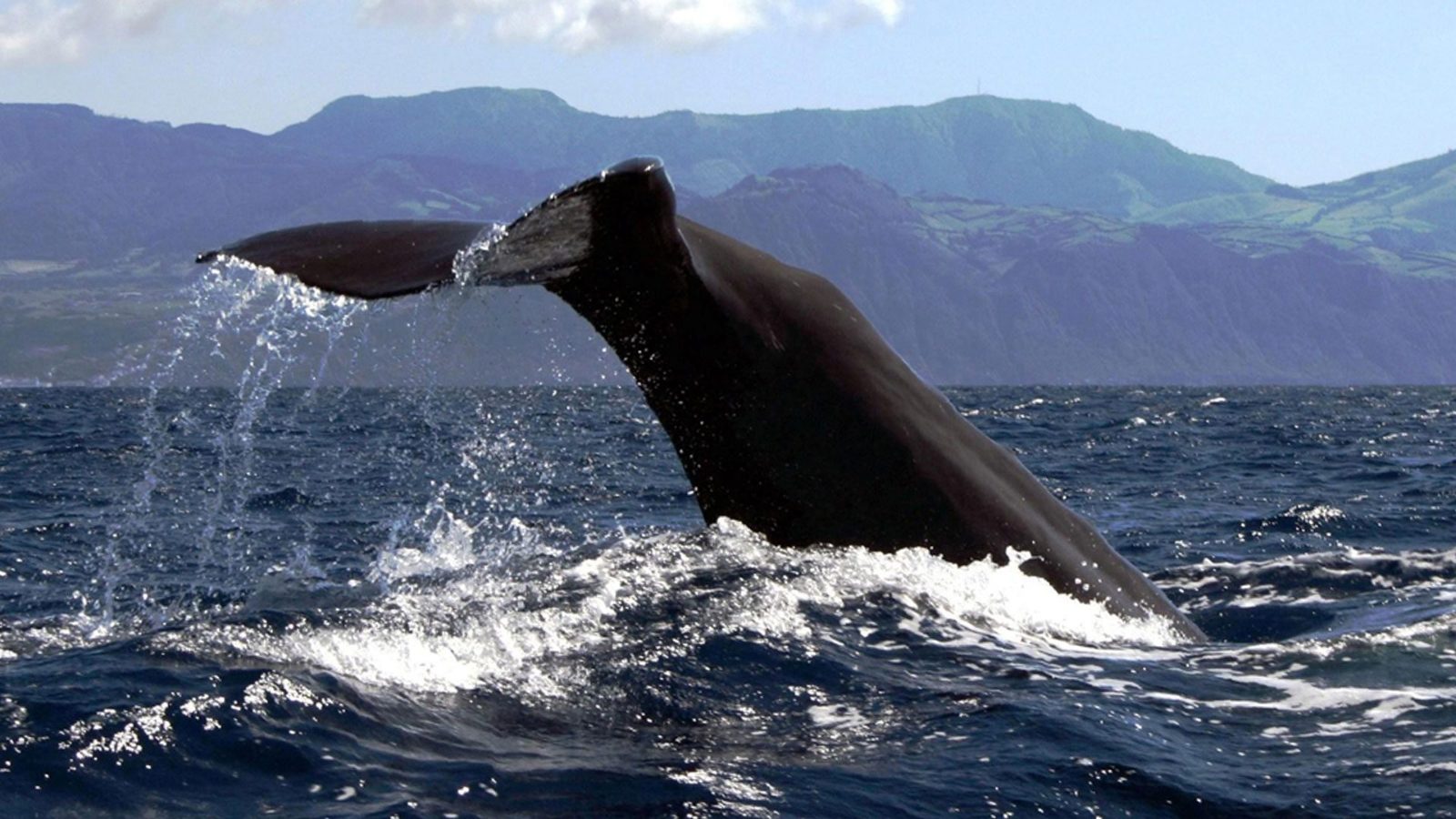
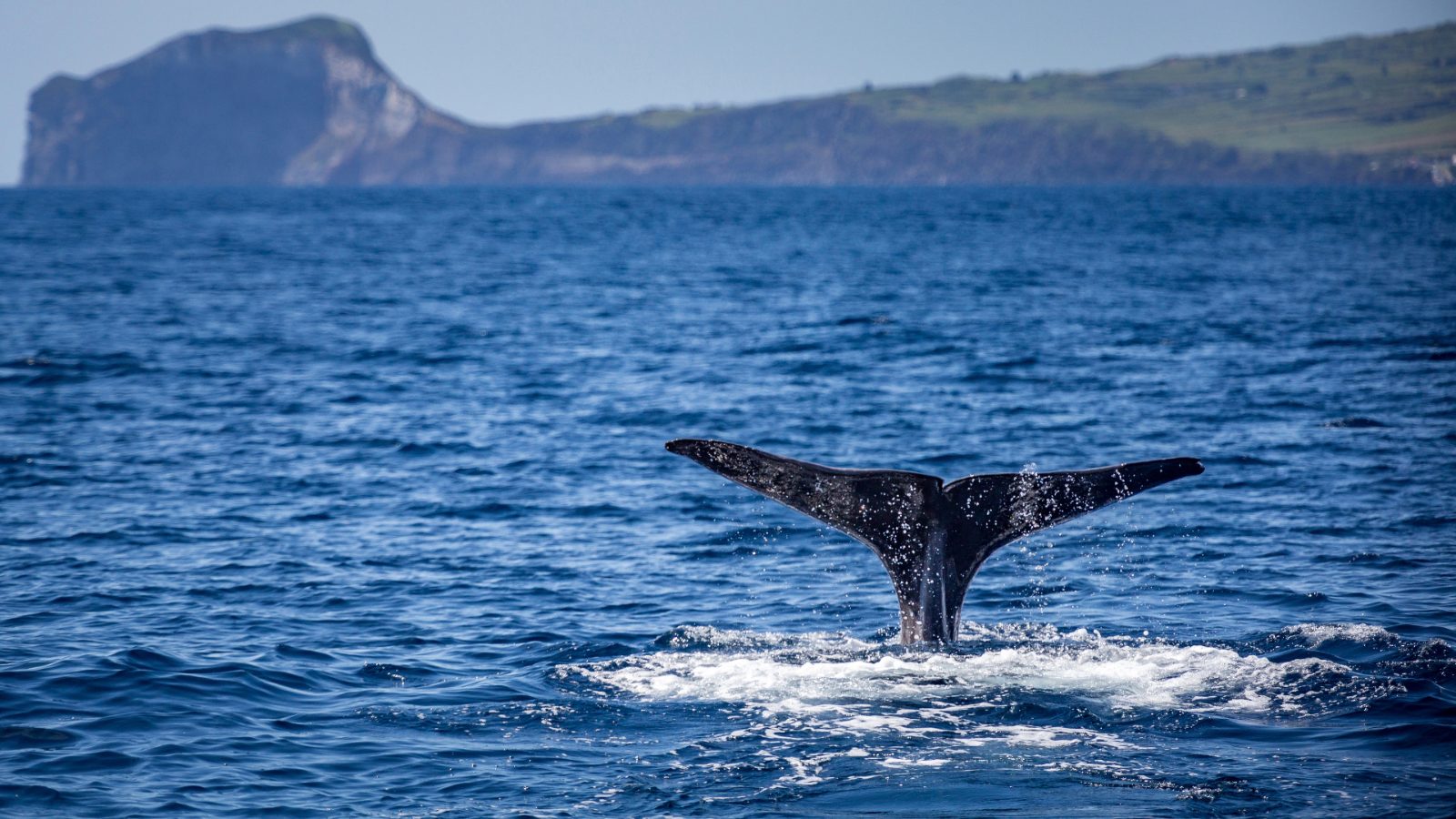
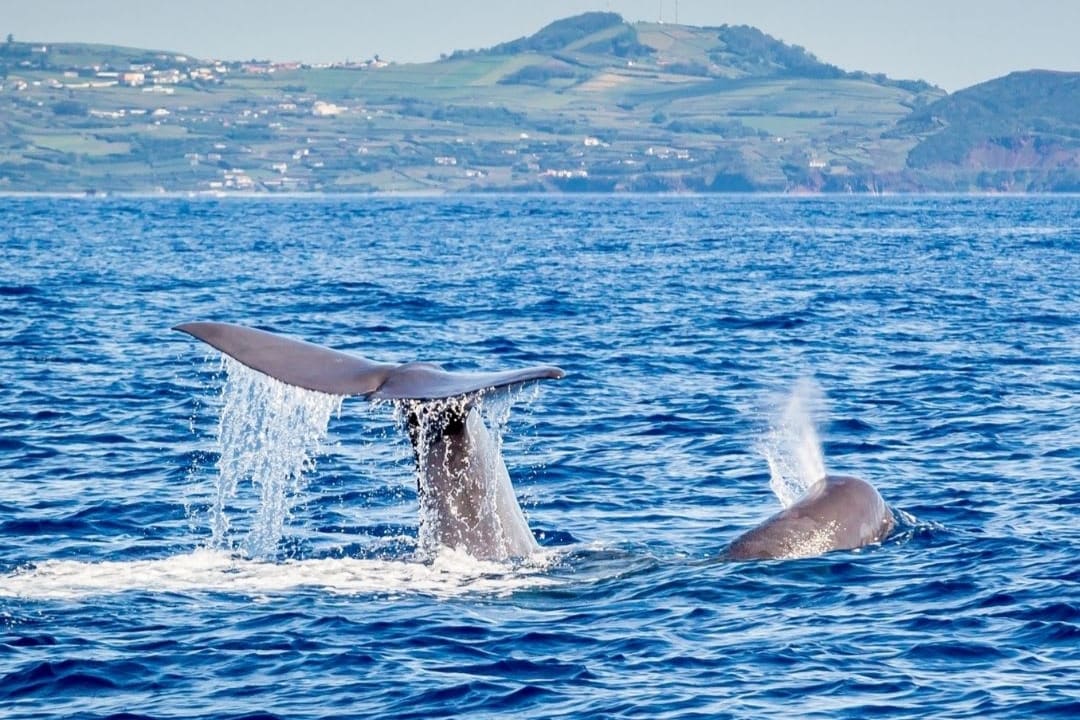
Twenty minutes out, the engine cuts to idle. You scan the middle distance, watching for the telltale forward-angled blow, diffuse and low against the horizon. Then it appears: a dark hump breaking the surface, the blowhole offset to the left, the exhalation audible even over residual wind noise. The whale breathes seven, eight times in steady rhythm, her back glistening as she arches for the terminal dive. The fluke rises vertically, shedding curtains of seawater, and holds for two full seconds before sliding under.
The biologist logs the fluke photograph, explaining callosities and scarring patterns that individuate each animal within the regional catalog. You wait, engine off, in a silence broken only by wave slap and distant tern calls. A juvenile surfaces fifty meters to starboard, spyhopping briefly before resuming its breathing sequence. The three-hour whale watching terceira azores tour window allows for multiple pod encounters, interspersed with sightings of bottlenose dolphins riding the bow wake and, if conditions favor, glimpses of loggerhead turtles drifting near surface weed lines.
The operator is open daily from 09:00–18:00.
Yes, these tours are family-friendly and age-appropriate life jackets are provided.
Entrance is 0 EUR as it is a commercial activity, but tours require a paid booking.
Bring sunscreen, a waterproof jacket, comfortable shoes, and your camera.
If no whales or dolphins are seen, many operators offer a free rebooking or refund policy.
The standard tour duration is approximately 2 to 3 hours.
Meet at the Marina de Angra do Heroísmo, 9700-154 Angra do Heroísmo, Portugal.
You are welcome to bring your own water and snacks, as food is generally not included.
The best window is typically summer for consistent sightings, while spring is ideal for blue whales.